
Identity as Performance
Passing (Nella Larsen Edition)This flow examines how the novel presents racial identity as something read, enacted, and policed rather than reliably visible in the body.
increasing Bearing strength in each event
 decreasing
Bearing strength in each eventdecreasingThe Visible Body
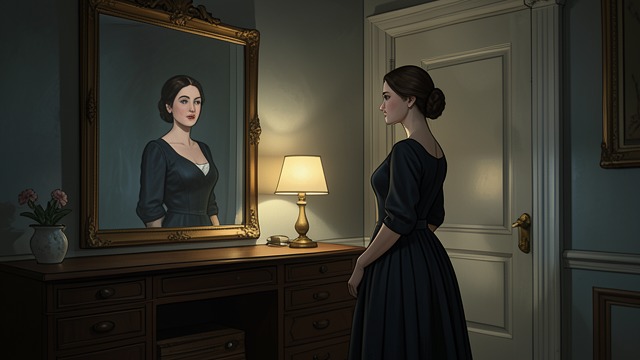
The Visible Body
Appearance fails as proof
Irene reflects that white people claim to identify Black ancestry through physical details, yet often mistake her for another ethnicity. Her experience undermines visual certainty.
Classification remains powerful
Although bodily signs fail to establish identity, the social consequences of being classified remain severe. The distinction between appearance and imposed status drives the encounter.
Clare Performs Whiteness
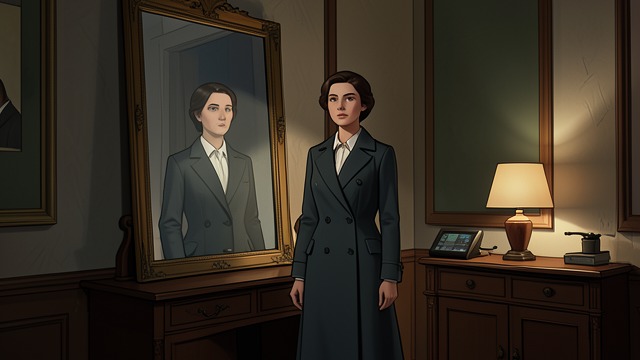
Clare Performs Whiteness
Social identity enacted
Clare presents herself as white within Bellew’s world, using appearance, silence, and a plausible family background. Others accept the identity she performs.
Performance exposes the rule
Her success reveals that racial categories depend on social recognition as well as ancestry. The system calls the identity fixed while repeatedly relying on acts of interpretation.
Irene’s Occasional Passing

Irene’s Occasional Passing
Convenience rather than a new life
Irene sometimes enters white spaces without announcing her race, including the Drayton tearoom. She describes this as practical rather than a renunciation of identity.
Shared action, unequal stakes
Her passing is temporary, while Clare’s is an organizing condition of marriage and status. The contrast complicates any simple division between passer and non-passer.
The Racial Insider’s Knowledge
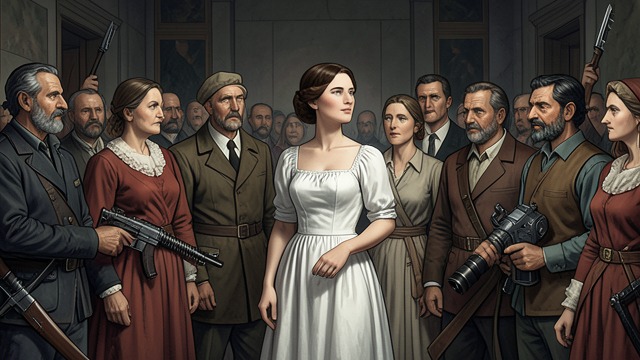
The Racial Insider’s Knowledge
No trick of inspection
Irene tells Hugh that one cannot identify all passers by looking. She describes recognition as something subtle that cannot be neatly registered.
Knowledge without a visible marker
Her account suggests an insider’s sense of social cues, but she cannot define it with certainty. The novel resists replacing one rigid test with another.
The Accusation as Enforcement
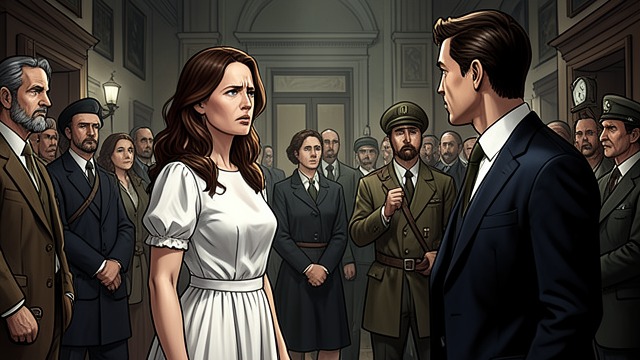
The Accusation as Enforcement
A name imposed publicly
Bellew’s racial slur forces Clare into a category he has refused to imagine within his family. His language does not discover an identity neutrally; it enforces a social boundary.
Performance meets coercion
Clare’s successful passage cannot protect her once others reject the identity they accepted. The confrontation exposes the power of recognition and exclusion.
At the opening meeting in the Drayton tearoom
During her account of marriage and passing
During the hotel and city encounters
During Irene’s conversation with Hugh at the dance
Christmas night, at Bellew’s confrontation
